- September 16
- By: SB Construction
Stages of civil construction
Since civil construction projects often have multiple components and involve a variety of professions, many managers divide civil construction projects into several stages. This can help them manage the progress of a project and can help them maintain project timelines. Common stages that managers and contractors divide projects into include:
- Conception
- Design
- Pre-construction
- Procurement
- Construction
- Post-construction
-
Conception: This point of the construction project involves a general idea of the project. Project owners might recognize the need for the project and start to formulate potential solutions that can have a positive effect on the community.
-
Design: Architects, civil engineers and other design professionals start to create the layout of the project according to government requirements and community needs. This stage involves feasibility analysis, programming, systematic design, development and contract documents, which enable the project to move on to the next stage of construction.
-
Pre-construction: Professionals in this stage evaluate construction sites and start generating plans to execute the project's design. At this point, project owners enlist the help of contractors, administrators, managers, site engineers and other professionals to begin sourcing project materials and establishing other important project components like completion dates and milestones.
-
Procurement: This stage involves the actual procurement of materials, equipment and workforce for the civil construction project. Professionals might arrange for transportation of materials and equipment to the construction site based on project plans, which can vary in complexity.
-
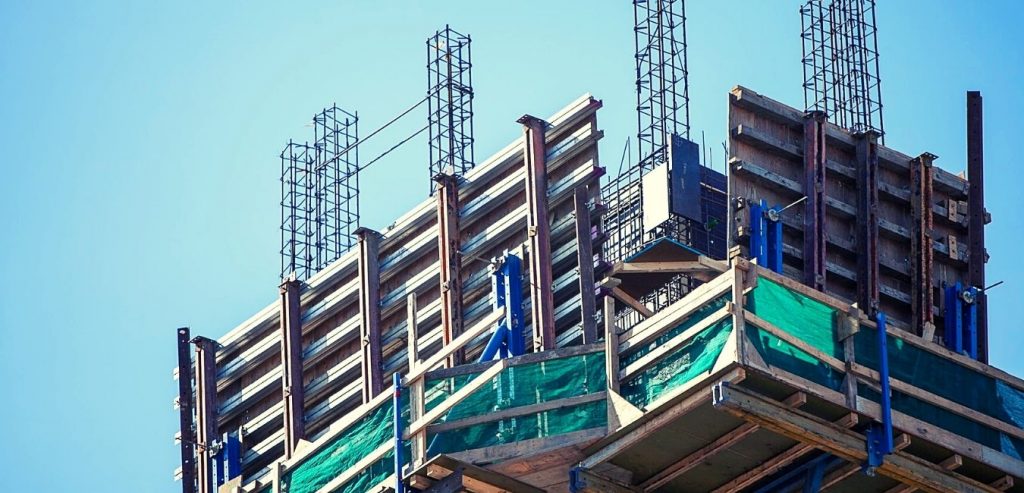
Construction: The portion of the project involves the actual execution of the project plans. Construction professionals conduct recurring meetings to track project progress and to ensure that each involved constriction professional understands their duties and scope of responsibilities, which can enhance productivity and increase project quality.
-
Post-construction: After construction completion, project owners and qualified inspectors analyze the final product of the project. This stage involves detailed inspections and reviews to verify that all teams followed constriction best practices, building codes and established regulations to maximize structural integrity and community safety.